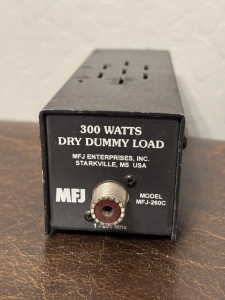
Ever wanted to test your transmitter without QRMing (interfering with) the entire band? Or wondered if your SWR problem is the cable or the radio itself? You need a Dummy Load.
1. What is a Dummy Load?
Think of it as a “Fake Antenna.” It’s a device that behaves exactly like a perfect 50 Ohm antenna but does not radiate. Instead of sending your signal into the ionosphere, it turns the RF energy into heat.
2. Why do you need one?
- Silent Testing: Tune your amplifier or test your radio’s output power without transmitting a signal on air.
- The “Divide and Conquer” Troubleshooting: If your radio shows a high SWR, connect the Dummy Load directly to the radio.
- SWR 1:1? The radio is fine, the problem is in the cable or antenna.
- SWR still high? The problem is in the radio or the patch lead.
3. Not all resistors are equal!
You cannot use a standard wire-wound resistor from a hardware store. Those have inductance, which will create a massive SWR at high frequencies. A Dummy Load must be Non-Inductive (usually carbon film or specialized RF resistors).
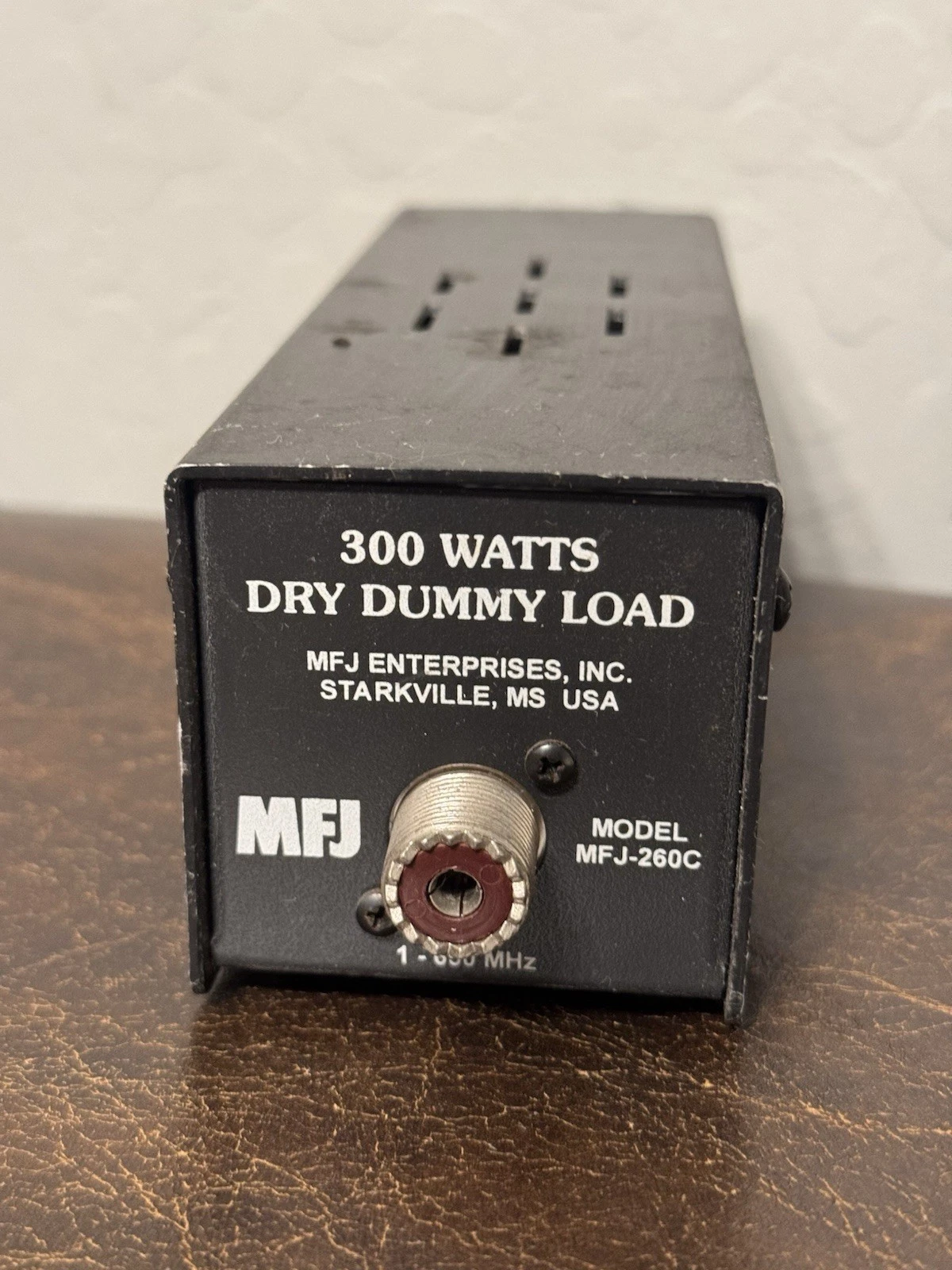
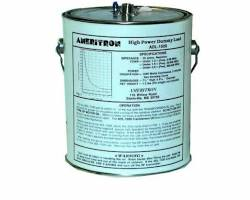
4. Deepening and Technical Resources
- Dummy Loads: A detailed look at different types of loads.
- Budget Dummy Load for HAM Radio: A classic DIY project for hams.
- Heathkit Cantenna History: The story of the most famous dummy load ever made, which used a can of oil for cooling.
Pro Tip: If you are building one, remember that a 100W radio will make a small resistor very hot, very fast. If you need to test for more than a few seconds, look for a “Cantenna” style load submerged in mineral oil—it can handle full power for much longer!
Next Step: Now that we can test our radio safely, let’s look at the most important “window” into our system: The SWR Bridge and the Power Meter. How do they actually work?