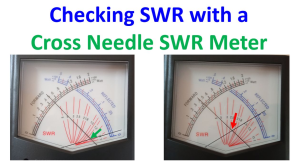
After building your dipole and adding a Balun, it’s time for the final test. To do this, you need a tool called an SWR Meter or an Antenna Analyzer.
1. What is SWR?
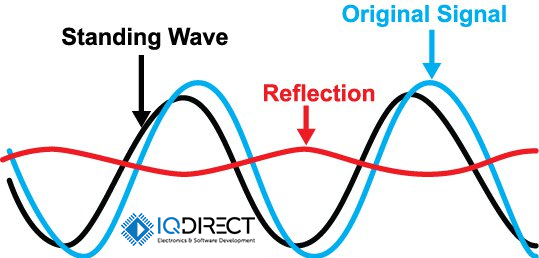
SWR stands for Standing Wave Ratio. In simple terms, it measures how well your antenna is “matched” to your radio and cable (usually 50 Ohms).
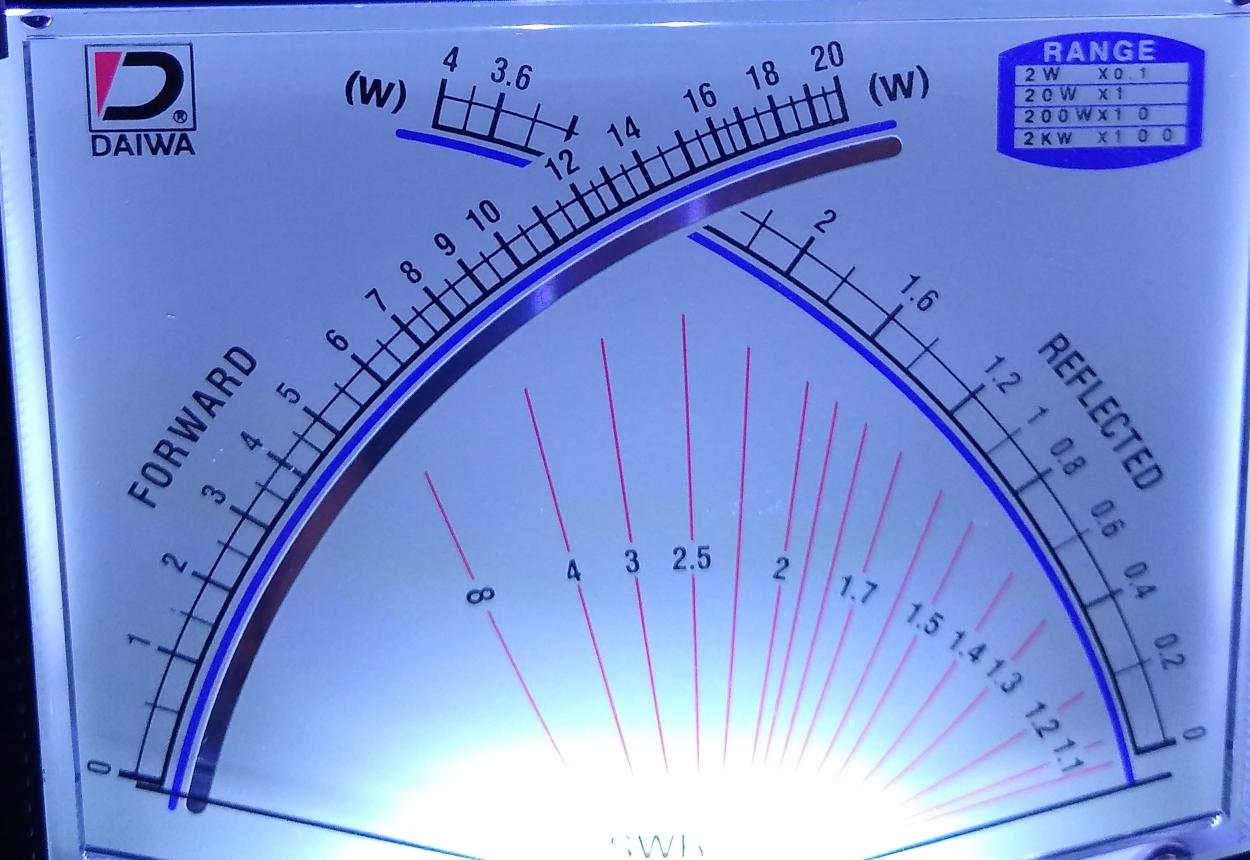
- 1:1 – Perfect: All the power from your radio goes to the antenna and is radiated.
- 1.5:1 – Excellent: Very little power is reflected back.
- 2.0:1 – Acceptable: Most modern radios can handle this, but you are losing some efficiency.
- 3.0:1 or more – Danger!: Too much power is coming back to the radio. This can damage the final transistors (the “engine” of your radio).
2. The Water Pipe Metaphor
Imagine your radio is a pump and the antenna is a pipe.
- If the pipe is the right size, the water flows out freely.
- If the pipe is too narrow or blocked (mismatched impedance), the water pushes back toward the pump. This back-pressure is your SWR.
3. How to Tune your Antenna
If your SWR is high (e.g., 2.5:1) at your desired frequency, your dipole is not resonant.
- SWR is lower at a lower frequency? Your antenna is too long. You need to cut a few centimeters from both ends.
- SWR is lower at a higher frequency? Your antenna is too short. You need to add wire or (if you left some extra length) unfold the ends.
4. Deepening and Technical Resources
- ARRL – All About SWR: A classic, reliable source for basic and advanced concepts.
- NanoVNA Basics by Ham Radio Workbench: If you use a modern Vector Network Analyzer (VNA), this is the place to start.
- Antenna Length Calculator: A handy tool to double-check your initial math.
Pro Tip: Always tune your antenna at low power (5-10 Watts). Tuning at 100 Watts with a high SWR can damage your equipment before you even finish the measurement!
Next Step: Now that your antenna is perfectly tuned, is your signal reaching the radio or is it getting lost along the way? In the next pill, we will talk about Coaxial Cables and Signal Loss: how to choose the right “pipe” for your RF!