You have a dipole for 20 meters, but you want to whisper something on 17 meters. The SWR is high, and your radio is unhappy. Enter the Antenna Tuner (or ATU – Antenna Tuning Unit).
1. The Big Misunderstanding
A tuner does not fix your antenna. If your wire is 10 meters long, it stays 10 meters long.
- The Magic Trick: The tuner is an impedance transformer. It “tricks” the radio into thinking it’s looking at a perfect 50 Ohm load, even if the antenna system is far from it.
- The Result: The radio can deliver its full power without triggering its protection circuits.
2. Manual vs. Automatic
- Manual Tuners: You turn the knobs (usually two capacitors and one inductor) until the SWR drops. It’s slower but teaches you a lot about resonance. Plus, they can often handle more power!
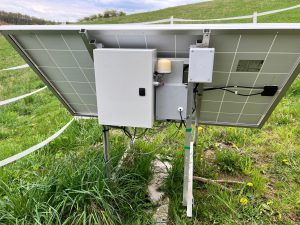
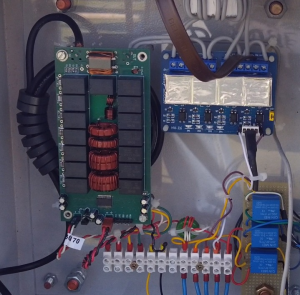
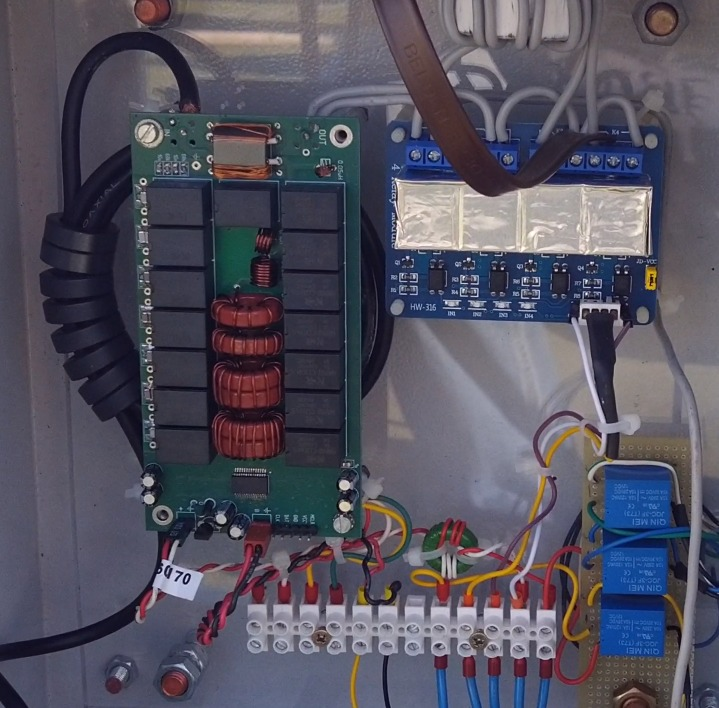
- Automatic Tuners (ATU): You press a button, and a series of relays click rapidly to find the best match in seconds. Most modern radios have a small one built-in.
3. Where is the power going?
Remember: if the antenna is not resonant, there are still standing waves on the cable between the tuner and the antenna.
- If you use a high-quality, low-loss cable (like we discussed in our first pills!), the loss is minimal.
- If you use a thin, low-quality cable, the “tuned” power might just turn into heat before reaching the sky.
4. Deepening and Technical Resources
- W8JI – Antenna Tuners: An incredibly deep analysis of how different tuner circuits (T-network, L-network) work and their efficiency.
- ARRL – All about Transmatch: Why we call them “Transmatches” and how to use them properly.
- LDG Electronics: A look at modern automatic tuning technology.
Pro Tip: If your internal radio tuner can’t find a match, it usually means the SWR is higher than 3:1. In that case, don’t force it! Check your antenna connections—the “Diplomat” can only do so much if the “Country” (your antenna) is in total chaos.
This topic requires further discussion, which will be covered in a separate post.
Next Step: We’ve talked about hardware, safety, and tuning. But how does the signal actually get “born”? In the next pill, we will look at The Oscillator and the Mixer – the brain of your transceiver!