Installing an antenna is exciting, but remember: you are placing a metal rod outside, often at the highest point of your house. Safety is not an option. Let’s see how to protect your equipment and your home from lightning and static discharges.
1. The “Static” Enemy
Even if a lightning bolt doesn’t hit your antenna directly, wind and rain can create static electricity on the wire. This static can slowly “cook” the sensitive components of your radio.
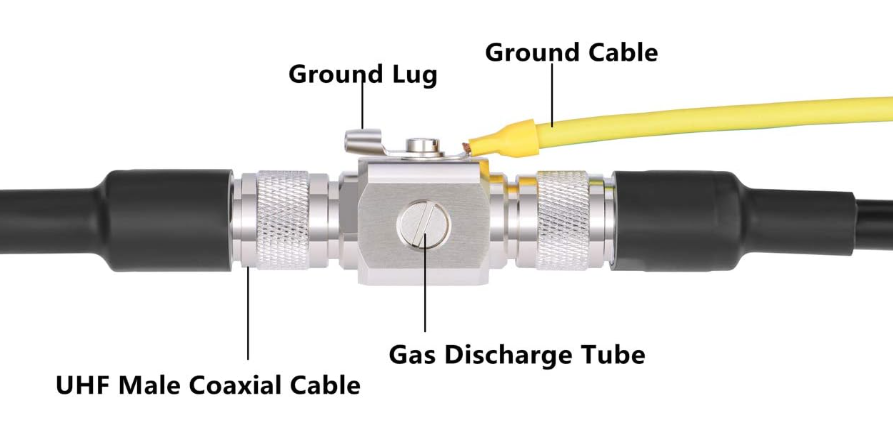
- The Solution: Use a Lightning Arrestor (or Surge Protector) on your coaxial cable before it enters the house.
2. Disconnect is Best
The only 100% effective protection against a direct hit is physical disconnection.
- The Rule: When you are not using the radio, or when a storm is coming, unplug the coaxial cables from the radio and move them away from the desk.
- Don’t forget the power: Unplug the power supply from the wall socket too!
3. Grounding the Mast
Your antenna mast should be connected to a proper ground rod using a thick copper wire. This helps bleed off static charges and directs energy to the earth.
- Warning: Never use the yellow/green electrical wire of your house for lightning protection! It needs its own dedicated path.
4. Deepening and Technical Resources
Per approfondire la sicurezza con fonti tecniche serie e verificate:
- PolyPhaser – Technical Library: The world leader in RF protection. Their white papers are the “bible” for professional lightning protection.
- ARRL – Lightning Protection: A collection of articles and best practices specifically for radio amateurs.
- W8JI – Grounding and Lightning: A very deep technical analysis by a famous expert on how to correctly ground a ham station.
Pro Tip: A “Gas Discharge” protector is a great investment. It’s a small device that costs much less than a new radio! It won’t stop a direct hit (nothing really can), but it will save your equipment from 99% of nearby static surges.
Next Step: Is the ground under your feet “noisy”? In the next pill, we will talk about the difference between Electrical Ground and RF Ground – and why your neighbors’ LED lights are bothering you!